

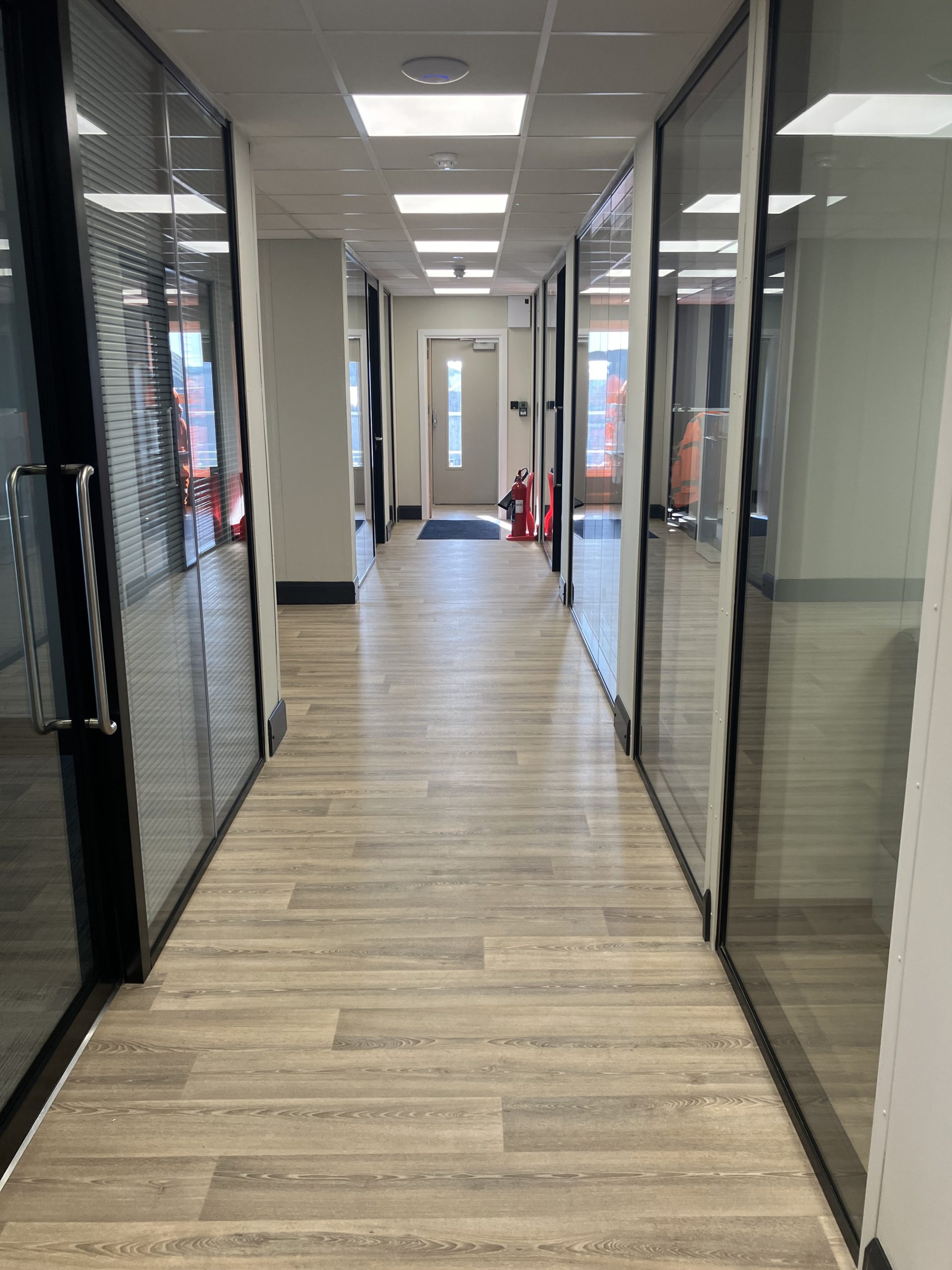
Introduction:
A modular building can provide a practical, flexible and long-term solution, but like any property, it may eventually need updating. Modular building refurbishment offers a cost-effective way to modernise an existing structure, improve its performance and extend its useful life without the need for complete replacement.
From improving energy efficiency and upgrading interiors to adapting layouts for changing requirements, refurbishment can give an existing modular building a new lease of life while helping organisations make better use of their investment.
Modular buildings are designed with flexibility and longevity in mind, but like any building, they can eventually show signs of wear, outdated interiors or reduced energy performance. Modular building refurbishment provides a practical way to modernise an existing structure without replacing the entire building.
With the right improvements, a refurbished modular building can continue providing valuable, functional space for many years. For businesses and organisations considering an upgrade, Sobec Contracting's refurbishment services can help transform existing buildings to meet changing requirements.
What Does Modular Building Refurbishment Involve?
Modular building refurbishment can range from relatively simple upgrades to a comprehensive renovation. The process usually begins with an assessment of the building's structure, condition and current use.
Depending on its requirements, refurbishment may include:
- Replacing worn flooring, ceilings and internal finishes
- Upgrading insulation and improving thermal performance
- Installing modern windows and doors
- Updating heating, ventilation and electrical systems
- Improving lighting and energy efficiency
- Reconfiguring internal layouts
- Upgrading kitchens, toilets and welfare facilities
- Improving external cladding and appearance
Because the existing modular structure can often be retained, refurbishment can avoid the disruption and expense associated with replacing the building entirely.
Extending the Lifespan of a Modular Building
One of the biggest advantages of modular construction is adaptability. A modular building does not necessarily become unusable simply because its original purpose or appearance has changed.
Refurbishment can bring an older building up to modern expectations while retaining its core structure. This could mean converting an outdated office into a more suitable workspace, upgrading classrooms or improving facilities to meet changing business requirements.
Regular maintenance and timely refurbishment can also help prevent minor issues from becoming more expensive problems. Investing in a building's condition can therefore help organisations get greater value from an existing asset over the long term.
If your existing building requires modernisation, you can find out more about modular and building refurbishment services from Sobec Contracting.
A More Economical Alternative
Refurbishing a modular building can be economically friendly because it allows organisations to improve an existing asset rather than paying for a completely new building.
The costs associated with demolition, site clearance, new foundations, manufacturing and installation can all add to the price of replacement. Where the existing modular structure remains suitable, refurbishment can reduce the amount of work and materials required.
There can also be financial benefits after refurbishment. Improvements to insulation, heating, lighting and other building services can help reduce energy consumption and ongoing operating costs.
For businesses, schools and other organisations working within a fixed budget, extending the useful life of an existing modular building can therefore provide a cost-effective way to improve their facilities without committing to a full replacement.
Improving Energy Efficiency
Refurbishment is also an opportunity to improve the energy performance of a modular building.
Upgrades such as improved insulation, efficient lighting, modern heating systems and better controls can reduce energy consumption while creating a more comfortable internal environment.
Improving energy efficiency can benefit both the environment and the building's running costs, making refurbishment a practical long-term investment.
A More Sustainable Alternative to Replacement
Extending the useful life of an existing modular building can also support a more sustainable approach to construction. Instead of removing a usable structure and starting again, refurbishment allows existing materials and components to remain in service.
Keeping a modular building in use for longer can help reduce construction waste and the demand for new materials. It can also support a circular approach to construction, where buildings and their components are maintained, adapted and reused rather than simply replaced.
Giving Existing Buildings a New Lease of Life
A modular building does not have to reach the end of its usefulness simply because it looks dated or no longer meets current requirements. With a considered refurbishment programme, its structure can be retained while its appearance, facilities, energy performance and functionality are brought up to modern standards.
For organisations, refurbishment can be a cost-effective and sustainable way to extend the lifespan of a modular building, helping them make better use of an existing asset while avoiding many of the costs and disruption associated with complete replacement.
To discuss how an existing building could be upgraded or adapted, explore Sobec Contracting's refurbishment services.